

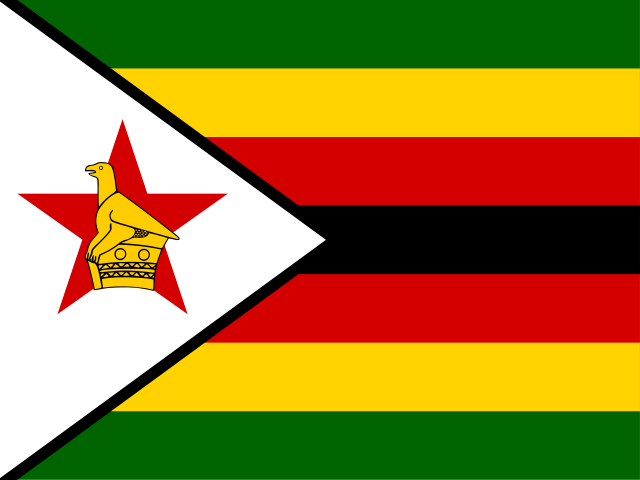
Zimbabwe
Population
Area
GDP
GDP Per Capita
Quick FAQs
Region
Capital
ISO 3166
Government Type
Language
ON THIS PAGE
About Zimbabwe
Zimbabwe is located in Southern Africa between South Africa and Zambia, with terrain consisting mostly of a high plateau with a higher central plateau and mountains in the east. The climate is tropical, moderated by altitude, with a rainy season from November to March and the massive Victoria Falls on the Zambezi River forming the world’s largest curtain of falling water. Harare serves as the capital, and Zimbabwe has a population of approximately 17.47 million people who speak Shona, Ndebele, and English.
Zimbabwe has a low-income Sub-Saharan economy that has been hindered by political instability and endemic corruption preventing reforms and stalling debt restructuring. Key industries include mining of coal, gold, platinum, copper, nickel, tin, and diamonds, along with steel, wood products, cement, chemicals, fertilizer, clothing, and foodstuffs. The country possesses abundant natural resources including coal, chromium ore, asbestos, gold, nickel, copper, iron ore, vanadium, lithium, tin, and platinum group metals. Zimbabwe has introduced a new gold-backed currency to combat ongoing hyperinflation.
Geography & Environment
Geographic Location
Geographic Coordinate
Geographic Area
Climate
Terrain
Natural Hazards
Natural Resources
Geography Note
People & Society
Ave. Life Expentancy at Birth
Urbanization
Population Growth Rate
Literacy Rate
Health Expendeture
Education Expenditure
Languages
Religions
Government
Country Name
conventional short form: Zimbabwe
former: Southern Rhodesia, Rhodesia, Zimbabwe-Rhodesia
etymology: takes its name from the Kingdom of Zimbabwe (13th-15th century) and its capital of Great Zimbabwe, which was built of stone; the name Zimbabwe comes from the Bantu phrase zimba we bahwe, meaning "houses of stones;" the former name, Rhodesia, was derived from the name of British colonial administrator Cecil RHODES
Economy
Economic Overview
low income Sub-Saharan economy; political instability and endemic corruption have prevented reforms and stalled debt restructuring; new Zimbabwe Gold (ZiG) currency latest effort to combat ongoing hyperinflation; reliant on natural resource extraction, agriculture and remittances