

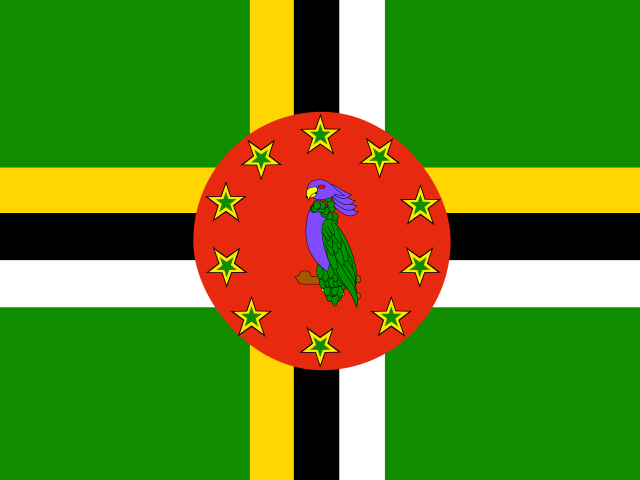
Dominica
Population
Area
GDP
GDP Per Capita
Quick FAQs
Region
Capital
ISO 3166
Government Type
Language
ON THIS PAGE
About Dominica
Dominica is an island country located in the Caribbean Sea, between Guadeloupe and Martinique, covering an area of approximately 751 square kilometers. As of 2025, Dominica has a population of approximately 73,000, with English as the official language. The island features rugged volcanic terrain with mountains, hot springs, and tropical rainforest, experiencing a tropical climate with heavy rainfall. Roseau serves as the capital.
Dominica’s economy is based on agriculture, tourism, and financial services, with the country known for its eco-tourism and natural beauty. Key agricultural exports include bananas, citrus fruits, and coconuts. Dominica has been particularly focused on climate resilience following devastating hurricanes, developing innovative programs for climate adaptation and sustainable development. The country also operates a citizenship by investment program that provides significant revenue. With its lush landscapes and commitment to environmental preservation, Dominica positions itself as the Nature Island of the Caribbean.
Geography & Environment
Geographic Location
Geographic Coordinate
Geographic Area
Climate
Terrain
Natural Hazards
Natural Resources
Geography Note
People & Society
Ave. Life Expentancy at Birth
Urbanization
Population Growth Rate
Literacy Rate
Health Expendeture
Education Expenditure
Languages
Religions
Government
Country Name
conventional short form: Dominica
etymology: the island was named by explorer Christopher COLUMBUS for the day of the week on which he spotted it, Sunday (Domingo in Spanish, dominica dies in Latin), 3 November 1493
Economy
Economic Overview
highly agrarian OECS island economy; ECCU-member state; large banana exporter; improved oversight of its citizenship-by-investment program; emerging ecotourism, information and communications, and education industries